Non-Partisan Tax Formula to Drive Higher 2027 Funding for Philippine LGUs
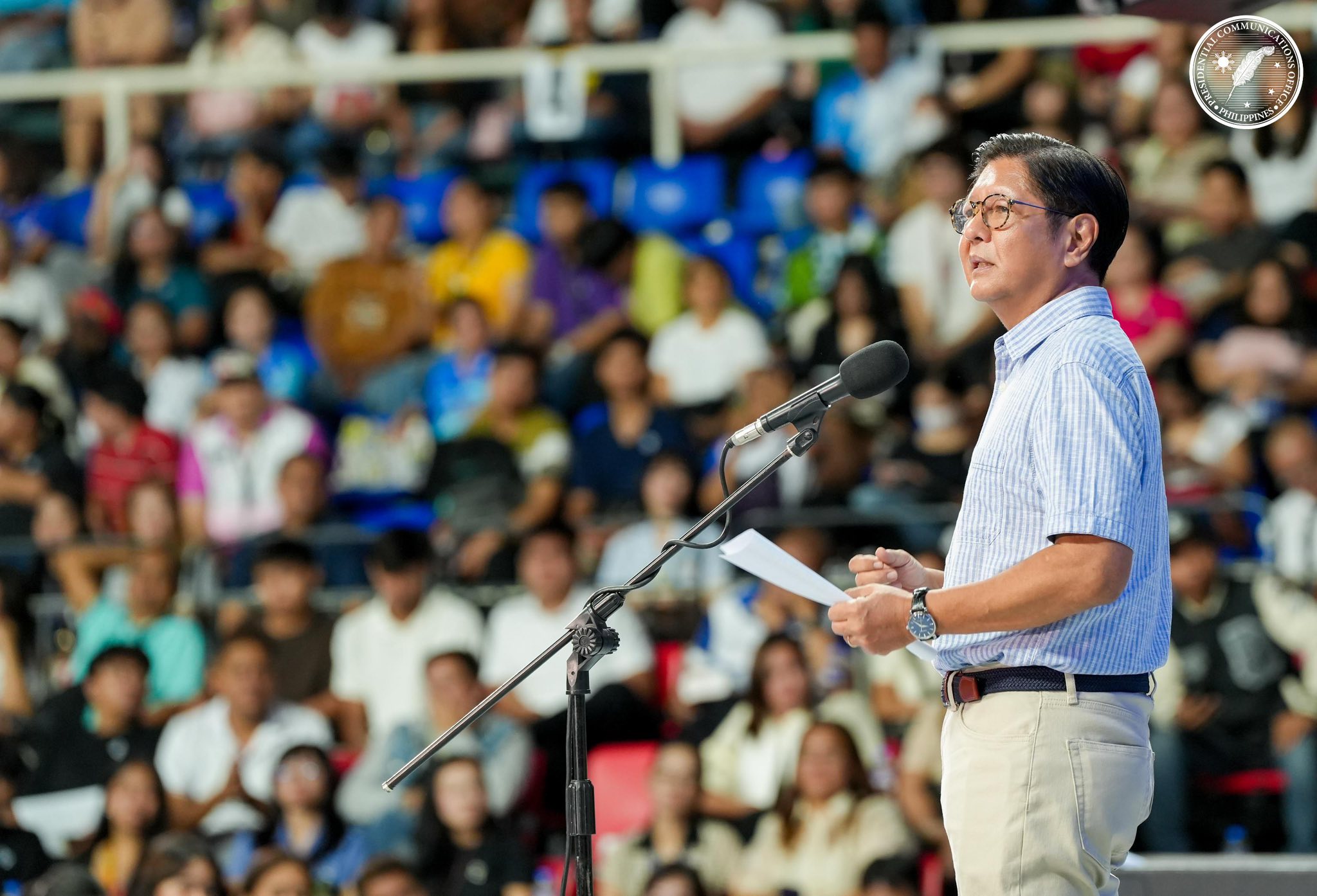
Local governments in the Philippines are poised to receive a record P1.32 trillion from national tax collections in 2027, reinforcing President Ferdinand Marcos Jr.'s push to position provinces, cities, municipalities and barangays as central partners in delivering public services. The National Tax Allotment, or NTA, will rise by P129.32 billion from the 2026 level of P1.19 trillion, according to Executive Secretary Ralph Recto. Malacañang said the increase reflects higher national tax receipts and the administration’s commitment to strengthening local governance.
Marcos is expected to spotlight the larger NTA during his fifth and penultimate State of the Nation Address on July 27. Recto emphasized that the distribution system is "non-partisan" and "formula-based," characterizing the allocations as automatic entitlements rather than discretionary funds. By law, the NTA is computed using internal revenue collections from three years prior; the 2027 pool is thus anchored on 2024 tax collections. Recto described the indexation, which is written into statute, as "set in stone, beyond alteration," giving local government units greater predictability in fiscal planning.
The NTA is also set to become one of the largest single line items in the proposed 2027 national budget now being finalized by the Department of Budget and Management. Under the established allocation formula, 83 provinces and 149 cities will each share P303.56 billion, while 1,491 municipalities will divide P448.84 billion and 41,912 barangays will receive a combined P263.97 billion. Each local unit’s share will be determined primarily by population and land area, factors that have helped make Davao City the biggest recipient among cities, with a P10.1-billion allocation this year, nearly 15% higher than in 2025. In Metro Manila, Quezon City, Manila, Caloocan, Taguig and Pasig rank among the largest beneficiaries.
Recto framed the expanded NTA as a direct "plowback" of national tax collections to communities, from major urban centers to remote barangays. Of the P1.19 trillion programmed for 2026, about P990.68 billion will be sourced from Bureau of Internal Revenue collections, P329.09 billion from the Bureau of Customs and P63.6 million from other revenues certified by the Bureau of the Treasury. With the allotment classified as an automatic appropriation, local government units can expect their shares to flow without political intervention once the national budget is enacted, potentially giving them more room to plan and execute programs aligned with local needs.